
Understanding Plastic Bottle Blow Molding Machines: Technology and Applications
Release time:
2026-06-08
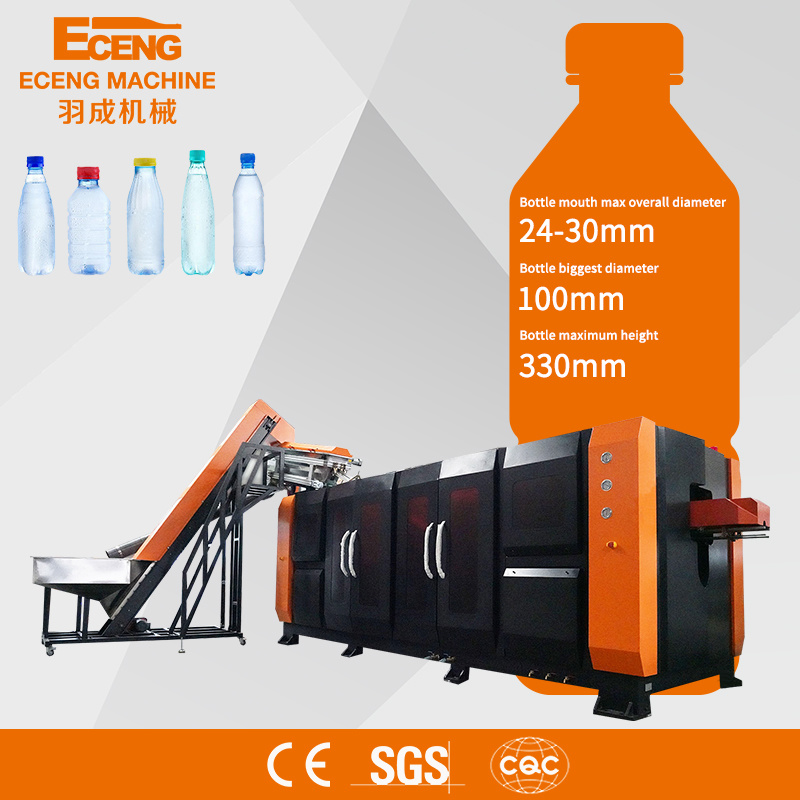
Plastic bottle blow molding machines are essential in the production of plastic bottles, commonly utilized in industries such as food, beverages, pharmaceuticals, and personal care products. The blow molding process involves shaping molten plastic into hollow forms, allowing for the creation of lightweight and durable containers. The operation of a blow molding machine can be broken down into thre
Plastic bottle blow molding machines are essential in the production of plastic bottles, commonly utilized in industries such as food, beverages, pharmaceuticals, and personal care products. The blow molding process involves shaping molten plastic into hollow forms, allowing for the creation of lightweight and durable containers.
The operation of a blow molding machine can be broken down into three primary stages: extrusion, molding, and cooling. Initially, plastic resin, often in the form of pellets, is fed into the extruder. The extruder heats and melts the resin, which is then formed into a parison (a tube-like structure). Once the parison is ready, it is clamped into a mold, and compressed air is introduced. This air expands the parison, forcing it to take the shape of the mold cavity. After the bottle has been formed, it enters the cooling phase, where it is cooled and solidified for final use.
One of the key advantages of using a plastic bottle blow molding machine is the ability to produce bottles with complex shapes and sizes. The versatility of this technology also allows manufacturers to create various types of bottles, including those with handles, unique neck designs, and varying wall thicknesses. Additionally, efficient blow molding machinery can significantly reduce material waste and enhance production speed, making it a cost-effective solution for manufacturers.
Furthermore, advancements in blow molding technology have led to the development of multi-layer bottles, which allow for the inclusion of different materials to enhance barrier properties, UV resistance, and overall product longevity. This innovation is particularly beneficial in industries where product integrity is crucial, such as food and pharmaceuticals.
When selecting a plastic bottle blow molding machine, it is important to consider factors such as production capacity, energy efficiency, and ease of maintenance. A well-maintained machine can lead to consistent output and reduced downtime, ultimately improving profitability.
In conclusion, plastic bottle blow molding machines play a vital role in the production of various plastic containers. By understanding the operational principles and technological advancements in this domain, businesses can optimize their manufacturing processes to produce high-quality bottles that meet market demands. Investing in state-of-the-art blow molding technology ensures that manufacturers remain competitive in an ever-evolving industry landscape.
这里是标题一h1占位文字


Get Best Quote:
Building 15,Fenghuang Intelligent Industrial Park, No. 8 Jifu Road, Zhangjiagang City, Jiangsu Province, China.
Business License


Pay attention to Eceng machinery
Get Best Quote