
The Importance of Quality in 4 Cavity PET Bottle Blowing Machines
Release time:
2026-11-19
The Importance of Quality in 4 Cavity PET Bottle Blowing Machines Table of Contents Understanding PET Bottle Blowing Machines What is a 4 Cavity PET Bottle Blowing Machine? Benefits of Quality in PET Bottle Production Key Features of High-Quality Blowing Machines Impact of Quality on Production Efficiency Maintenance Tips for Sustaining Quality Cost Analysis of High-Quality Machines
The Importance of Quality in 4 Cavity PET Bottle Blowing Machines
Table of Contents
- Understanding PET Bottle Blowing Machines
- What is a 4 Cavity PET Bottle Blowing Machine?
- Benefits of Quality in PET Bottle Production
- Key Features of High-Quality Blowing Machines
- Impact of Quality on Production Efficiency
- Maintenance Tips for Sustaining Quality
- Cost Analysis of High-Quality Machines
- Common Issues with Low-Quality Machines
- Conclusion
- FAQs
Understanding PET Bottle Blowing Machines
PET (Polyethylene Terephthalate) bottle blowing machines are vital in the manufacturing sector, particularly in the production of plastic bottles and containers. These machines utilize a process known as blow molding to create hollow plastic products from preformed PET materials. Understanding how these machines function is crucial for manufacturers aiming to optimize their production processes.
How Blow Molding Works
Blow molding involves heating PET preforms until they become pliable, then using air pressure to inflate them into the desired shape within a mold. The efficiency of this process heavily relies on the quality of the machinery being utilized.
What is a 4 Cavity PET Bottle Blowing Machine?
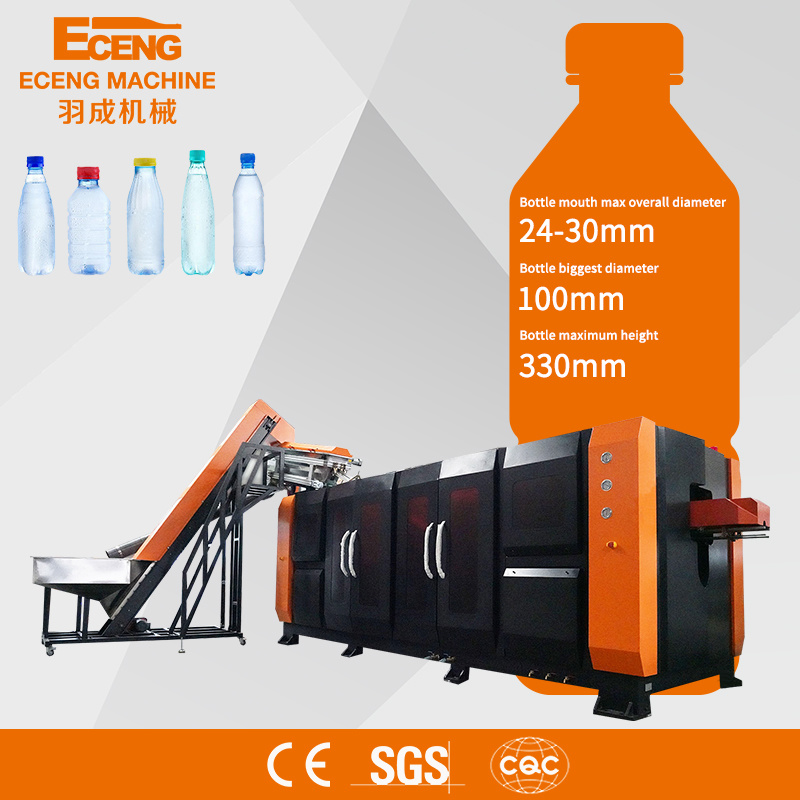
A 4 cavity PET bottle blowing machine is designed to produce four bottles simultaneously during each cycle. This design significantly increases output and efficiency, making it an attractive option for high-demand production lines.
Advantages of a 4 Cavity Design
The primary benefits of a 4 cavity design include:
- **Increased Production Rates**: By producing multiple bottles at once, manufacturers can meet high-volume demands more effectively.
- **Cost Efficiency**: Higher output leads to reduced production costs per unit, making it a financially wise choice for bulk production.
Benefits of Quality in PET Bottle Production
Investing in high-quality 4 cavity PET bottle blowing machines yields numerous advantages that extend beyond just immediate production capabilities.
Enhanced Product Quality
High-quality machines produce consistent and reliable bottles that meet stringent quality standards. This consistency is crucial in industries like food and beverage, where product safety and integrity are paramount.
Long-Term Cost Savings
Although high-quality machinery may require a larger upfront investment, the long-term benefits include reduced maintenance costs, lower energy consumption, and decreased waste due to fewer defective products.
Key Features of High-Quality Blowing Machines
When evaluating potential blowing machines, several key features signal quality and reliability.
Advanced Technology Integration
High-quality machines utilize the latest technology, including automated controls, precise temperature regulation, and efficient energy use, which contribute to optimal performance.
Durable Construction Materials
The best machines are constructed from robust materials that withstand the rigors of continuous production. This durability minimizes downtime and maintenance needs.
User-Friendly Design
Ergonomic designs that prioritize ease of operation can greatly enhance productivity, allowing operators to work efficiently without unnecessary strain.
Impact of Quality on Production Efficiency
The relationship between machine quality and production efficiency is profound. Quality machines lead to streamlined operations that maximize output and minimize waste.
Reduction of Downtime
High-quality machines are less prone to breakdowns and operational issues, leading to more consistent production schedules and meeting delivery deadlines.
Energy Efficiency
Quality blowing machines are often designed to consume less energy while providing superior performance. Lower energy costs contribute to overall profitability.
Maintenance Tips for Sustaining Quality
To ensure that 4 cavity PET bottle blowing machines maintain their high-quality output, regular maintenance is essential.
Scheduled Inspections
Routine inspections can identify potential issues before they escalate, reducing the risk of costly downtimes.
Proper Cleaning Procedures
Keeping the machinery clean ensures that contamination does not affect product quality. Regular cleaning of molds and internal components is crucial.
Staff Training
Investing in staff training can significantly enhance machine operation efficiency and troubleshooting skills, ensuring that the machinery is used to its full potential.
Cost Analysis of High-Quality Machines
Understanding the financial implications of investing in high-quality machinery is critical for manufacturers.
Initial Investment vs. Long-Term Savings
While the initial cost of high-quality machinery may be higher, the long-term savings in maintenance, energy consumption, and waste reduction often justify the investment.
Return on Investment (ROI)
Calculating the ROI based on increased production capabilities and reduced operational costs can demonstrate the financial benefits of high-quality machines.
Common Issues with Low-Quality Machines
Manufacturers often underestimate the challenges posed by low-quality machinery, which can lead to significant operational setbacks.
Frequent Breakdowns
Low-quality machines are often prone to frequent malfunctions, leading to increased downtime and reduced productivity.
Poor Product Quality
Inconsistent output quality can damage brand reputation and lead to customer dissatisfaction, affecting long-term sales potential.
Conclusion
The importance of quality in 4 cavity PET bottle blowing machines cannot be overstated. High-quality machinery not only enhances production efficiency and product quality but also contributes to long-term cost savings and operational reliability. Investing in the best equipment is a strategic decision for manufacturers looking to thrive in a competitive industry. By understanding the key features, benefits, and maintenance practices associated with quality machines, businesses can position themselves for success in the plastic manufacturing landscape.
FAQs
1. What is the typical lifespan of a 4 cavity PET bottle blowing machine?
The lifespan can vary, but with proper maintenance, these machines can operate efficiently for 10 to 15 years.
2. How does a 4 cavity design compare to a single cavity design?
A 4 cavity design offers higher output, efficiency, and cost-effectiveness compared to single cavity machines.
3. What are the common materials used in the construction of these machines?
Common materials include high-grade steel and aluminum, ensuring durability and resistance to wear.
4. How can I improve the efficiency of my PET bottle blowing machine?
Regular maintenance, operator training, and timely upgrades of components can significantly enhance machine efficiency.
5. What are the best practices for cleaning blowing machines?
Implementing a regular cleaning schedule that includes mold cleaning and internal component inspection can help maintain product quality.
这里是标题一h1占位文字
Hot information


Get Best Quote:
Building 15,Fenghuang Intelligent Industrial Park, No. 8 Jifu Road, Zhangjiagang City, Jiangsu Province, China.
Business License


Pay attention to Eceng machinery
Get Best Quote